
Career Development, Career Planning, Career Tips, jobs, networking, unemployment

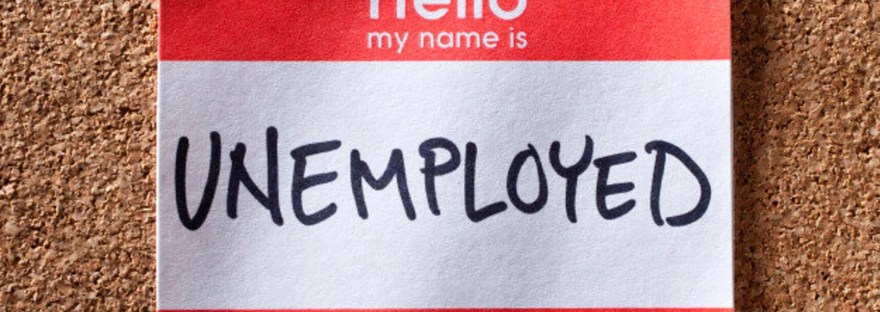
The Cold Reality of Pivoting Careers While Unemployed

Pivoting careers is never easy. It’s a process that requires re-branding yourself, learning new skills, and often convincing hiring managers that your experience is transferable. Doing all of that while unemployed? That’s a whole different challenge—and one that many professionals, myself included, are facing right now.

The Stigma of Extended Unemployment

No matter how much we talk about breaking the stigma of gaps on a résumé, the reality is that being out of work for an extended period does raise questions in the eyes of employers. Algorithms in applicant tracking systems often filter out resumes with career breaks, and even when you do get in front of a recruiter, there’s sometimes an unspoken bias: “Why hasn’t anyone else hired you yet?”

This can make it even harder to pivot into a new career direction, where you’re not only battling the unemployment bias but also trying to prove you belong in a new function or industry.

The Hard Truth: Sometimes You Have to Step Back to Move Forward

One of the cold realities of job searching after a long unemployment stretch is that you may need to accept a step back—whether in title, pay, or both—to land your next opportunity.

That doesn’t mean you’ve failed. In fact, it can be a strategic choice. Sometimes a lateral or downward move is exactly what you need to:

  • Rebuild momentum in your career.
  • Gain exposure to a new industry or skill set.
  • Prove your adaptability and resilience.

Think of it less as a setback and more as a reset button—an intentional move to get yourself back in the game.

Why Networking Beats Applying in Today’s Market

The job market is more oversaturated than ever. Hundreds of qualified candidates apply for a single opening, and most never hear back. Submitting applications into the void isn’t a strategy—it’s a drain on your energy and confidence.

Networking, on the other hand, changes the game. Conversations open doors that applications can’t. Whether it’s a coffee chat, an informational interview, or a simple message on LinkedIn, relationships are where opportunities live. As the saying goes: people hire people, not résumés.

Some of the most effective networking tactics I’ve seen include:

  • Reconnecting with former colleagues who know your value.
  • Reaching out to people in your target industry to learn (not just to ask for a job).
  • Participating in professional groups, associations, or virtual meetups.
  • Contributing publicly—sharing insights, writing posts, or commenting thoughtfully—so your expertise stays visible.

Shifting the Mindset

The hardest part about this process isn’t the applications, the rejections, or even the interviews. It’s the mindset shift. Accepting that your next step may not be a perfect upward trajectory can sting. But when you reframe it as a strategic career pivot rather than a failure, the path forward becomes clearer.

Resilience, humility, and adaptability are not just buzzwords—they’re survival skills in today’s market. And they’re also the very qualities that make you an asset to future employers.

A Call to Those in the Same Boat

If you’re navigating unemployment while trying to pivot careers, know this: you’re not alone. Many talented professionals are walking this road right now. The oversaturated market doesn’t diminish your skills, your experience, or your worth.

What it does mean is that strategy matters more than ever. Be open to redefining success, willing to take a step back if it sets you up for future growth, and bold enough to lean on your network instead of going it alone.

Because sometimes the most important part of a pivot isn’t the direction of the move—it’s the fact that you keep moving.
Recruiting Tips

So You Just Got Laid Off? Here’s What You Really Do.

First things first: breathe. Then cry, scream into a pillow, or rage-clean your kitchen. Whatever you need to do, get it out. Because tomorrow, you’re not waking up unemployed. You’re waking up unleashed.

Now, sleep. Not revenge-scroll, pass-out-at-2AM sleep. I mean actual, under-the-weighted-blanket, REM-cycle, full-body-reset kind of sleep. Your brain just got sucker-punched. It needs a nap, not a panic spiral.

Once you’re rested, start moving. Not because you’re “finally going to get fit,” but because motion helps emotion pass through. Walk the dog. Dance badly in the living room. Stretch until something cracks (hopefully a joint, not your spirit). This isn’t a makeover montage. It’s about reclaiming your body from the stress grip of capitalism.

Hydrate. I know, it’s basic. But it works. Water, not wine. (Or at least not only wine.)

Now set a rule: 3 hours max per day on job stuff. Applications. Resume tweaks. Networking emails. That’s it. The rest of the day? Off limits. Nobody’s hiring you at midnight, and LinkedIn isn’t handing out gold stars for burnout.

You’ve been conditioned to think panic = productivity. It doesn’t. Focus > frenzy. And no, sending out 87 résumés in one sitting won’t bring you faster offers. It brings carpal tunnel and existential dread.

Instead, get outside your bubble. Volunteer once a week. This isn’t charity—it’s therapy. You need to feel useful. Needed. Human. Plus, good people hang out in places like food banks and animal shelters. You might even make a friend. Or hear about a job. Or remember what matters.

Also, read a novel. Yes, fiction. No, not one that turns into a TED Talk. Just a good story. Your brain needs to visit another world. (The real one sucks right now.) Bonus points if you get it from the library.

And that project you keep whispering to yourself about? Start it. Write the first line. Record the video. Build the thing. Doesn’t matter if no one sees it. This isn’t about going viral. It’s about not dying with your dream trapped inside a bullet point on your résumé.

This period of your life—the messy, uncertain, unstructured time—is not a waiting room. It’s a training ground. And it won’t last forever. So don’t waste it trying to impress people who never noticed when you were employed anyway.

One last thing: You are not a job title. You are not your productivity score. You are not someone’s “headcount.” You are a fully formed, wildly capable human being who just got a second chance at choosing what comes next.

So, choose with intention. Choose with courage.

Now close the tab, make a sandwich, and go be free for a bit.

#layoff #jobsearch #careertransition #recoverytime #mentalhealth #jobhunt #reframe #restisproductive #careerchange

Recruiting Tips

How to Ace a Job Interview as a Neurodivergent Candidate

By Angela Malagon

Navigating job interviews can be stressful for anyone—but for neurodivergent individuals, the experience may feel especially challenging. From decoding unspoken social cues to managing sensory overload or masking behaviors, the traditional interview process isn’t always designed with neurodiversity in mind.

But here’s the truth: your brain is a strength, not a flaw. You bring unique perspectives, problem-solving abilities, and creative insights that employers need—even if the interview process wasn’t built for you. The good news? With preparation, self-advocacy, and the right strategies, you can show up authentically and confidently.

Here’s how to interview as a neurodivergent candidate—and thrive while doing it.


1. Know Your Strengths and Name Them Clearly

Many neurodivergent individuals struggle with imposter syndrome or downplay their accomplishments. But in an interview, you must be your own advocate.

Prepare a few examples of your strengths—whether that’s attention to detail, pattern recognition, innovative thinking, hyperfocus, or emotional insight.

✅ Practice framing your neurodivergence as an asset to the job. For example:

“Because of my ADHD, I’ve learned to develop strong time-blocking systems that help me manage complex projects across multiple stakeholders.”


2. Ask for Accommodations (If You Need Them)

You have the right to reasonable accommodations in the interview process. Whether it’s receiving questions in advance, turning off your camera during a virtual interview, or interviewing in a quiet space—don’t be afraid to ask.

🔹 You can frame it like this:

“To help me perform at my best, would it be possible to share the interview format or questions ahead of time?”

Remember: requesting accommodations is not asking for special treatment—it’s asking for equity.


3. Practice, but Don’t Over-Mask

Many neurodivergent folks are experts at “masking” to blend in. But constantly suppressing natural behaviors (like fidgeting, scripting responses, avoiding eye contact) can be draining and inauthentic.

👉 Instead, find your middle ground. Practice key talking points, but don’t feel like you have to pretend to be neurotypical. If flapping your hands helps you focus—do it. If maintaining eye contact is difficult, focus on the interviewer’s nose or forehead.

You are not “less professional” for being yourself.


4. Use the STAR Method with a Twist

Structured responses can reduce anxiety and keep you on track. The STAR method (Situation, Task, Action, Result) is a great format, especially when communication is a challenge.

✨ Bonus tip: Have your stories written out or sketched visually beforehand so you can reference them during the interview (if allowed).


5. It’s Okay to Take Notes or Pause

Interviews aren’t speed tests. You can pause. You can say, “Let me take a moment to think about that.” You can even write things down if it helps organize your thoughts.

➡️ Try this:

“Great question—let me take a second to organize my thoughts so I can give a clear answer.”

This shows thoughtfulness and self-awareness—not weakness.


6. Know That Disclosure is a Personal Choice

You are never required to disclose your neurodivergence unless you want to. If you do choose to disclose, try tying it back to your value as a candidate.

Example:

“As someone who’s autistic, I tend to thrive in environments that are detail-oriented and structured. That’s why I was drawn to this role.”

Only disclose if it feels empowering or necessary—not out of obligation.


7. Decompress Afterwards

Neurodivergent brains often need extra recovery time after social interactions. Interviews can be overstimulating, emotionally taxing, and mentally exhausting.

🧠 Afterward, give yourself time to decompress. Take a walk. Do something grounding. Be kind to yourself.


8. Reframe Rejection

If you don’t get the job, it’s not because you’re “too much” or “not enough.” Interviews are often biased toward neurotypical communication styles, and the process is flawed—not you.

🔄 Rejection isn’t a reflection of your worth. It’s redirection. You deserve a workplace that values who you are, not just how well you interview.


Final Thought: You’re Not Alone

More companies are waking up to the value of neurodiverse talent. You are part of a powerful community—of thinkers, dreamers, builders, analysts, creatives, and truth-tellers.

Keep showing up. Keep advocating. And remember: the right role won’t require you to hide who you are.


🔁 Share This With Someone Who Needs It

Whether you’re autistic, ADHD, dyslexic, or otherwise neuro-spicy, the world needs your mind—just as it is.

Recruiting Tips

Ageism in the Workplace: The Bias We Don’t Talk About Enough


We talk about equity.
We talk about diversity.
We talk about inclusion.

But do we talk enough about ageism?

Not nearly.

In a culture obsessed with youth, fast-paced growth, and flashy innovation, experienced professionals—especially those over 40—often find themselves overlooked, underestimated, or outright excluded.


What Does Ageism Look Like?

Ageism isn’t always blatant. It often shows up in quiet, insidious ways:

  • Job descriptions asking for a “digital native” (translation: don’t apply if you didn’t grow up with social media).
  • Recruiters worried you’re “overqualified” (code for “too expensive” or “won’t stay long”).
  • Hiring managers assuming you’re “set in your ways” or not tech-savvy.
  • A noticeable decline in interview requests once your graduation year is updated on LinkedIn.

These subtle cues send a loud message: You’re too old.


Why It’s a Problem

This isn’t just about hurt feelings—it’s about missed opportunities.

Older professionals bring unmatched value:

  • Institutional knowledge
  • Strong networks
  • Leadership maturity
  • Stability
  • Mentorship capacity

Excluding them isn’t just discriminatory—it’s bad business.


What Can We Do About It?

For Employers & Recruiters:

  • Audit job postings for age-biased language.
  • Focus on skills and impact over graduation dates.
  • Create age-diverse interview panels.
  • Value continuous learners—at every age.
  • Stop assuming ambition has an expiration date.

For Job Seekers Over 40:

  • Own your experience confidently—don’t downplay it.
  • Stay current on trends and tech (but don’t pretend to be 25).
  • Network with intention: build bridges, not just resumes.
  • Reframe “overqualified” as “immediately impactful.”

Real Talk: Passion Doesn’t Retire

Many of us in midlife are entering our second acts—careers built on purpose, not just paychecks. We’re not slowing down—we’re shifting gears.

So next time you think someone’s “too experienced” for a role, ask yourself:
Are they really too experienced, or are we just too biased?


It’s time to rewrite the narrative.
Age doesn’t define capability—opportunity does.


🧠 Let’s keep the conversation going.
If you’ve faced ageism or found a way to thrive despite it, share your story below. 👇
#AgeismAwareness #InclusiveHiring #CareerAtAnyAge #WorkforceWisdom #AngelaMalagon #TalentWithoutLimits

Recruiting Tips

Why Neurodiversity Belongs at the Heart of DEI


1. Neurodiversity Is Total Diversity

Neurodiversity—encompassing autism, ADHD, dyslexia, dyspraxia, and more—is estimated to include around 15–20% of the population (ADP, ELM Learning). It’s more than an add-on; it’s a foundational dimension of human difference, requiring the same respect and intentional inclusion as race, gender, or orientation.

2. A Catalyst for Innovation & Growth

Neurodivergent individuals bring unique modes of thinking—pattern recognition, hyperfocus, detailed analysis, and creative problem-solving—that fuel innovation and strategic thinking (wellright.com, Deloitte, askearn.org, HRMorning). In many teams, the presence of neurodiverse professionals boosts overall productivity by about 30% and increases retention to around 90% (HR Future).

3. Competitive Advantage & ROI

Real-world examples demonstrate clear benefits: UK employers report higher retention and innovation when including neurodivergent workers, even as overall autistic adult employment hovers around just 31% (Financial Times). Doubling autism employment in the UK is projected to add £1.5 billion annually (The Times).

4. From DEI Values to Action

Without inclusion of neurodiversity, DEI programs risk reinforcing existing barriers. Embedding it prevents bias and supports internal equity—offering accommodations, adjusting recruiting/hiring norms, encouraging self-identification, and constructing Employee Resource Groups (ERGs) focused on neurodiversity (creativespirit-us.org).

5. Tackling Systemic Disadvantages

Neurodivergent people frequently face discrimination, stigma, and exclusion rooted in neurotypical norms. Being proactive in DEI includes educating employees, dismantling biased assumptions, and adopting neuroinclusive design—from job descriptions to sensory-friendly spaces and assistive technologies (Wikipedia).


Embedding Neurodiversity in DEI: Best Practices

🔹 Awareness & Training

DEI training should introduce what neurodiversity means, challenge misconceptions, and promote empathy alongside practical guidance for supporting neurodiverse colleagues (ELM Learning).

🔹 Inclusive Hiring & Role Design

Organizations like SAP, Microsoft, and HPE have created “Autism at Work” initiatives, transforming their recruitment and onboarding processes to accommodate alternative ways of working from the outset (WIRED).

🔹 Workplace Accommodations

Flexible schedules, quiet spaces, lighting preferences, and supportive feedback methods are key. Simple changes—like interview alternatives, adjustment passports, or single-occupancy offices—can make a big difference (Wikipedia, Employee Benefit News, The Australian).

🔹 Employee Resource Groups & Leadership Buy‑In

ERGs provide peer support and shape policy. Visible neurodiverse leaders (like Charlotte Valeur, founder of the Institute of Neurodiversity) help destigmatize and normalize disclosure and advocacy at senior levels (Wikipedia).

🔹 Strengths-Based Culture

Shift from deficits to strengths: celebrate precision, deep focus, structured routines, and unconventional thinking—not as issues to fix, but as distinctive workplace superpowers (JAMS, askearn.org).


The Broader Impact: Diversity of Thought and Inclusion

Integrating neurodiversity in DEI benefits everyone. Clearer communication, flexible systems, empathy-informed design—all improve work life for neurotypical employees too. According to Deloitte, neuroinclusion fosters inclusive cultures that scale and thrive alongside broader DEI goals (Deloitte).

Even ecological and environmental sectors benefit: experts argue that neurodivergent people bring unique attentiveness and passion to biodiversity preservation—underscoring that diversity of people is inseparable from biodiversity itself (The Guardian).


DEI Strategy Checklist: Include Neurodiversity

DEI Strategy AreaNeurodiversity Inclusion Tips
Education & AwarenessMandate neurodiversity in training, involve lived‑experience experts
Recruiting & HiringOffer adjusted interviews, bias-aware job postings, alternative formats
Workplace DesignSensory‑conscious environments, flexibility, assistive tech
Talent DevelopmentMentorship, accommodations, performance review flexibility
Employee SupportERGs, self-identification options, data‑driven feedback loops
Leadership & CultureVisible role models, public commitments, inclusive communications

Final Thought

Neurodiversity is not a trend. It’s a fundamental dimension of cognitive diversity that enriches organizations ethically and strategically. Including it in DEI efforts strengthens innovation, fosters equity, and taps underutilized potential. When we move beyond “fixing deficits” to celebrating difference, we create workplaces—and societies—that truly value every kind of mind.


Want to go deeper?

Interested in case studies, interview design adjustments, or metrics to track in a neuroinclusive DEI transformation? I’d be happy to help.