

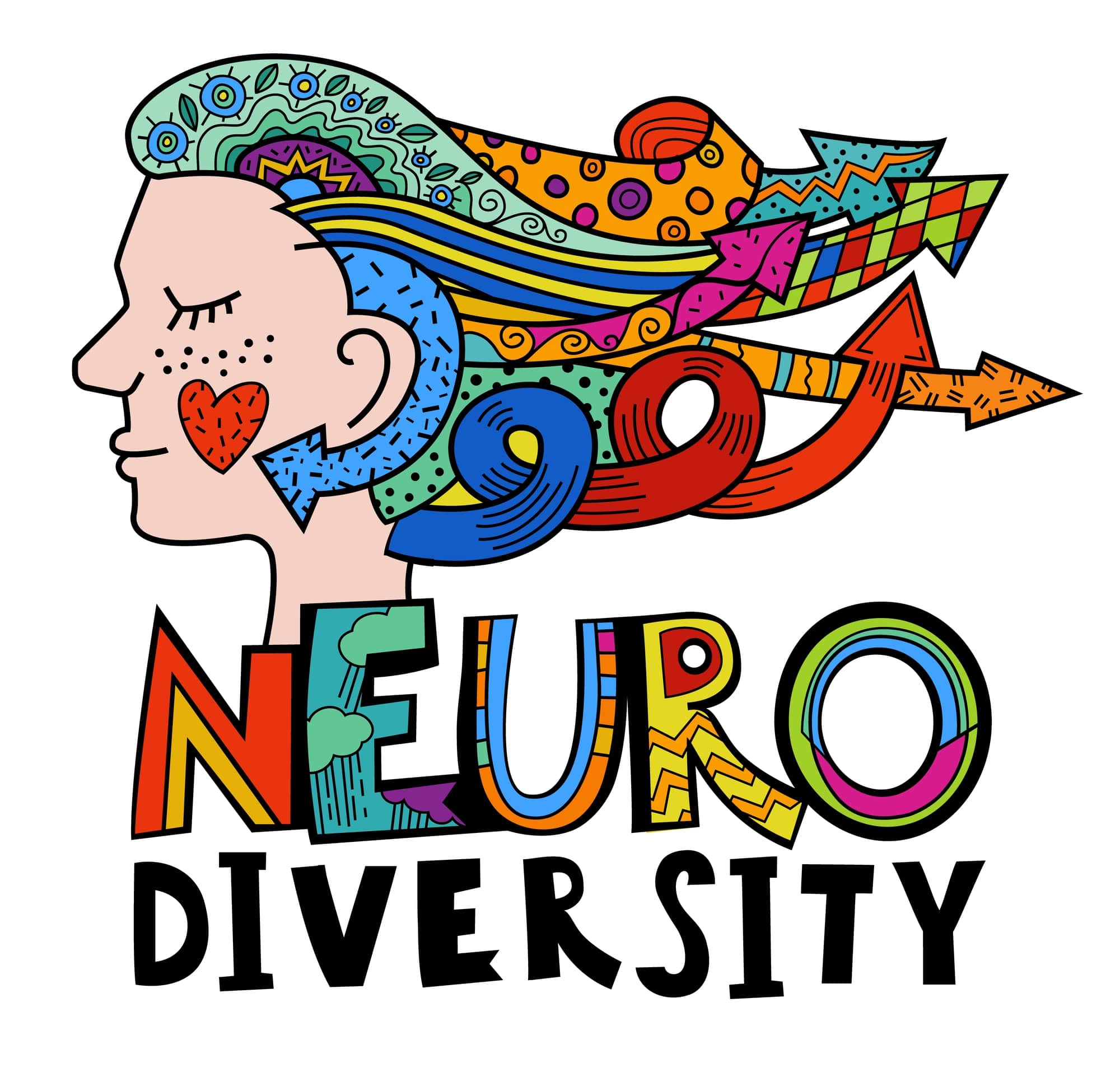
Here’s a concise guide with advice for leading a successful job interview that supports both neurodivergent and neurotypical candidates — helping create an equitable, inclusive, and effective interview experience.
💡 Why It Matters
Neurodivergent individuals (e.g., ADHD, autism, dyslexia, etc.) may process information, communicate, or experience sensory input differently. Traditional interviews often favor neurotypical thinking and behavior, unintentionally creating barriers to talent.
✅ Interview Best Practices for All Candidates — with Neurodiversity in Mind
1. Structure the Interview
- 📅 Send an agenda in advance.
- 🧠 Outline what to expect: topics, format, and who will be present.
- ⏳ Allow time for processing; avoid rapid-fire questions.
Why? Neurodivergent candidates often thrive with predictability and preparation.
2. Be Clear, Not Vague
- ✅ Ask direct, specific questions.
- ❌ Avoid abstract behavioral prompts like “Tell me about a time you had a conflict with a coworker” unless you explain what you’re looking for.
Tip: Rephrase as, “Can you describe how you usually handle disagreements on a team project?”
3. Offer Flexibility
- 🧍♂️ In-person, remote, or camera-off options when possible.
- 🗣 Allow written or visual responses for tasks if preferred.
Why? Sensory or social differences may make certain environments or formats more challenging for some neurodivergent candidates.
4. Normalize Accommodations
- Include a statement like:
“If you need any accommodations during the interview process, please let us know — we want to set you up for success.”
Make it standard — not something that requires disclosure of diagnosis.
5. Rethink “Culture Fit”
- 🧩 Prioritize values alignment and working style compatibility over shared hobbies or personality traits.
- 🚩 Watch for bias disguised as “gut feeling.”
Remember: Diversity of thought leads to stronger teams.
6. Assess the Work — Not the Performance
- Use work samples, skills-based questions, or job simulations instead of relying solely on conversational prowess or small talk.
Why? Many neurodivergent candidates may not “perform” traditionally but can excel in the role.
7. Bias Awareness Training
- Train interviewers to recognize bias around eye contact, tone of voice, pacing, or fidgeting — these aren’t indicators of competence.
Your job: Evaluate skills, not social scripts.
🌱 Final Thought
Hiring inclusively doesn’t lower the bar — it removes unnecessary barriers so you can access untapped talent.
 Angela Malagon